Coochie Native Flora |
Call for volunteers at the next popup working bee |
Mother of Millions – The Weed That Multiplies Like Gremlins
We're shifting gears this week, from bushtucker to weeds! Not because I'm scattered (although that remains a strong possibility), but because this little bugger has the capacity to squeeze out many of our native plants that are actually useful and help our environment.
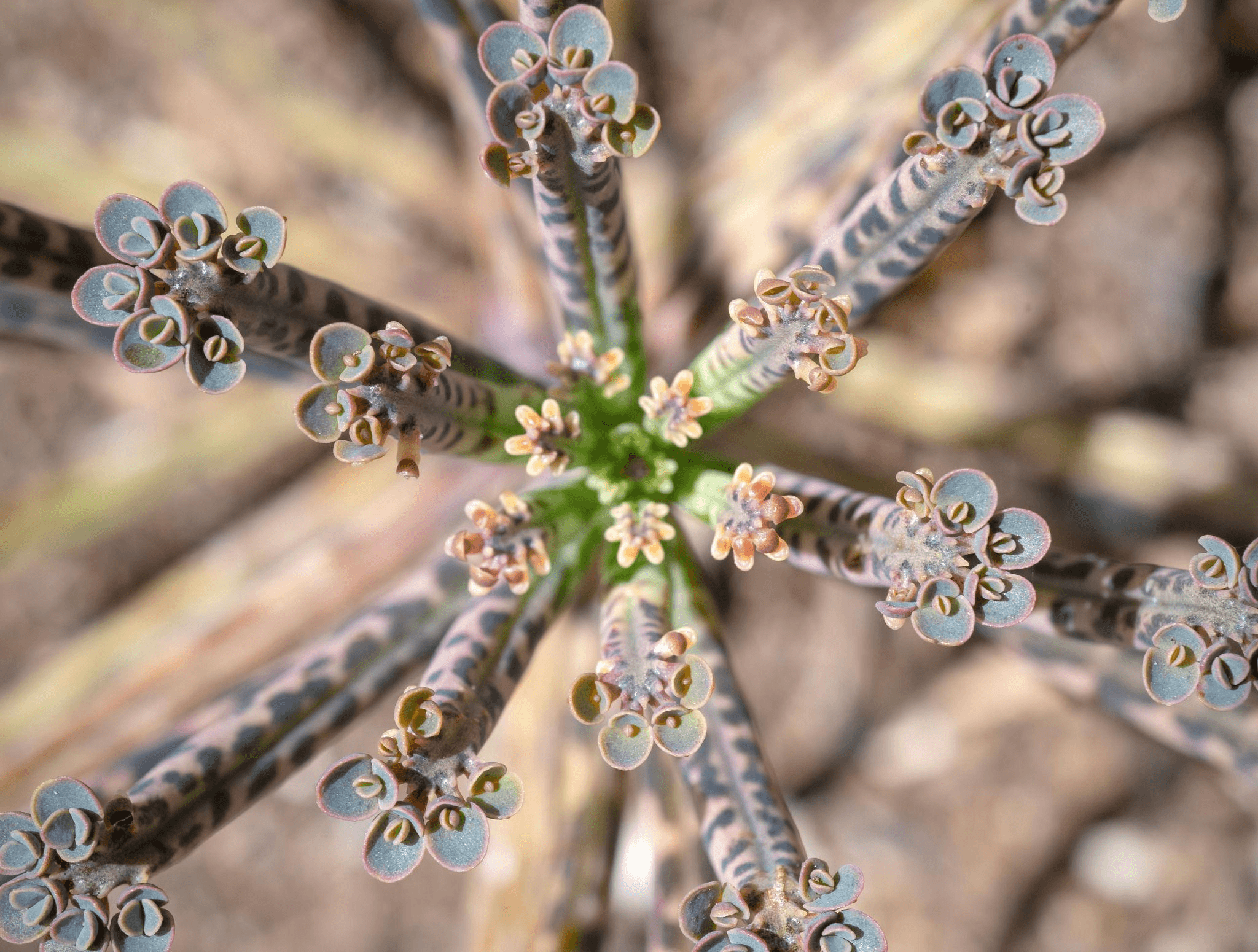
At first glance, Mother of Millions doesn’t look like a villain. It’s a tidy little succulent with upright stems, neat narrow leaves, and delicate orange flowers that appear in winter. In fact, many people originally planted it in gardens because it looked interesting and seemed hardy enough to survive anything.
And that’s exactly the problem. This plant, scientifically known as Bryophyllum delagoense, has earned its dramatic name because every single leaf is capable of producing dozens of tiny baby plants. These miniature replicas grow along the leaf edges, drop to the ground, and immediately start growing again. One plant doesn’t stay one plant for long.
Very quickly it becomes hundreds. Then thousands. Think Gremlins and you're on the right track. Except instead of getting them wet after midnight, all this one needs is gravity.
Why It’s Such a ProblemMother of Millions is now considered one of Australia’s most invasive environmental weeds. It spreads easily in sandy coastal soils, bushland, paddocks and disturbed areas — which unfortunately makes places like island environments particularly vulnerable.
Unlike many plants that rely on seeds, this one clones itself (I wish I could have been that clever for last Saturdays working bee, I would have been able to go!!).
Each leaf produces tiny plantlets that fall off, take root and start the cycle again. Even a broken piece of the plant can grow into a new colony.
In other words, it’s the botanical version of that relative who “just pops in for a quick visit”… and suddenly there are 200 of them (a bit like my very large family!!) The result is dense carpets of succulents that crowd out native plants and reduce biodiversity.
But there’s an even more serious problem. By now you'd have figured it definitely doesn’t belong in the bushtucker series.
Unlike some weeds that sneak into the “surprisingly edible” category — things like dandelion, purslane, chickweed or even nasturtium — Mother of Millions is firmly in the “absolutely do not eat this” category. In fact, it’s quite the opposite.
Mother of Millions is highly toxic to livestock and animals. It contains cardiac glycosides, toxins that can interfere with heart function if eaten. Cattle, horses, goats and pets have all been poisoned by the plant, particularly during dry periods when other food sources are scarce. So while some weeds turn out to be accidental pantry items, this one is more like the botanical equivalent of a “Do Not Touch” button with flashing lights around it.
Which means instead of harvesting it for dinner… the best thing we can harvest is a good pair of gloves and a rubbish bag.
So while it might look decorative, it’s actually doing some fairly nasty work behind the scenes.
Why We Need to Remove ItLeft alone, Mother of Millions spreads aggressively and can dominate an area within just a few seasons. Removing it helps: • Protect native plants and wildlife
The earlier it’s removed, the easier it is to control. Think of it as dealing with a problem when it's still one annoying plant instead of an entire extended family reunion.
How to Get Rid of ItThe good news is that individual plants are fairly easy to remove. If you see Mother of Millions: • Pull it out by the roots if the soil is soft Even small plants matter. A single leaf can produce dozens of new plants, which is how infestations begin.
A Small Effort That Makes a Big DifferenceWeeds like Mother of Millions spread quietly. One garden plant becomes a roadside patch. The roadside patch becomes a hillside. Before long, it’s everywhere.
The good news is communities can stop it just as quietly.
Every plant removed today prevents thousands tomorrow. And that’s a win for our bushland, wildlife, and the places we love to walk, explore and enjoy.
And if you happen to pull one out while muttering “not today, Gremlins”, well… you certainly won’t be the only one.
Keep an eye on the Coastcare Facebook page (give it a 'Follow') for pop up opportunities to help rid Coochie of the MoM and other weeds. |
0 Comments
Join the conversation
Be the first to comment
Share your thoughts above.